

Why ‘Find My Ticket’ Matters for High-Ticket Sales Job Seekers
Are you dreaming of a job where you can earn a really big income? Many people are looking for ways to make more money in sales, especially in roles where they sell expensive products or services. This is often called "high-ticket sales." In 2026, it’s a popular path for those wanting to achieve big financial goals.
When we talk about wanting to "find my ticket" in this world, we aren’t talking about a concert ticket or a parking ticket. Instead, it means finding your special way into those high-paying sales jobs.

It’s about spotting the real chances to earn a lot of money by closing deals that involve thousands of dollars, or even more [ecommerceparadise.com]. High-ticket sales roles focus on selling valuable items, like high-end software, luxury goods, or expensive coaching programs [innovativeventures.co.uk]. These jobs need special skills in talking to people and making big deals happen [theeducatorsvoice.net]. If you want to understand more about what these roles are, you can read our guide on what high-ticket sales are.
But here’s the thing: finding your "golden ticket" to these jobs can be tough. It’s often hard to tell which job offers are real and which ones might not be. You might also wonder how you’ll get paid in these roles, which often rely on commissions, and how to prepare to handle those important, high-value sales talks. Many people struggle to know where to even begin their job search.
That’s why this guide is here to help you. We will help you look up the best places to find true high-ticket sales opportunities. We’ll show you how to check if a job is real, how to build the right skills, and how to plan your steps to apply and succeed. You’ll learn how to break into this exciting field and start earning that big income. If you’re new to this, our guide for beginners is a great place to start.
So, you want to find your ticket to those big earnings we talked about. But what exactly do these high-ticket sales jobs look like? It’s important to know the real deal so you can spot the best chances and avoid roles that aren’t what they seem.
Common High-Ticket Sales Roles and What They Do
High-ticket sales jobs are different from regular sales roles where you might sell many small items. Here, you focus on selling expensive products or services, often worth thousands of dollars or more [ecommerceparadise.com].
You’ll often see these job titles:
- High-Ticket Closer: This role is all about sealing the deal for valuable items, from special coaching to big software systems. Closers handle the final steps to get a customer to say "yes" to a high-value offer [companiesontherise.com].
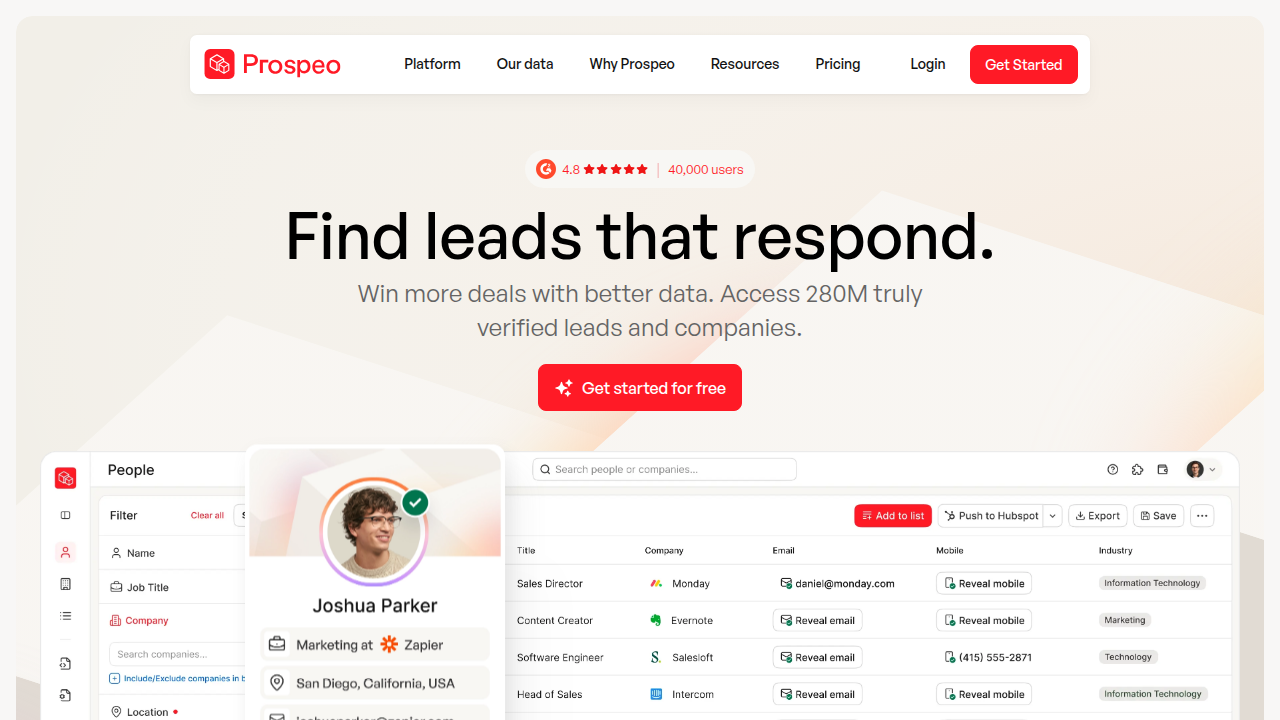
- Account Executive (AE): AEs usually work with businesses, selling solutions that cost a lot of money. They manage the whole sales process, from finding interest to closing the big contracts [prospeo.io].
- Sales Consultant/Specialist: These roles involve giving expert advice and showing how high-value products or services can solve a client’s specific problems.
- Business Development Manager (BDM): BDMs focus on bringing in new, big clients and opening up new markets for expensive offerings.
These jobs focus on selling premium things like complex technology, luxury items, or even real estate [innovativeventures.co.uk].
What High-Ticket Sellers Are Expected to Do
Unlike selling many small items, high-ticket sales jobs ask you to do more than just make a quick sale. Here’s what’s usually expected:
- Be a Trusted Advisor: You’ll spend time building trust and really understanding what a client needs. This is called "consultative selling" [forwardthinkingfirms.net].

- Manage Relationships: You’ll build strong, long-lasting connections with clients. These relationships are key because big sales often take more time to close.
- Negotiate Well: Since the prices are high, you’ll need good skills to talk about terms and reach agreements that work for everyone [theeducatorsvoice.net].
- Handle Concerns: Customers buying expensive things have more questions and concerns. You’ll need to be good at answering them and helping people feel good about their big decision.
These jobs need advanced skills in talking to people and making big deals happen, more so than typical sales positions [theeducatorsvoice.net]. If you want to dive deeper into what these roles involve, you can explore our detailed article on what high-ticket sales are.
Signals to Watch For in Job Listings
When you’re trying to find your ticket to a high-paying sales job, you need to read job ads carefully. Not every "sales" job is "high-ticket."
Look for these signals:
- High Product/Service Value: The listing should clearly state that you’ll be selling products or services worth at least $3,000, and often much more, even six figures [ecommerceparadise.com, companiesontherise.com].
- Commission Structure: High-ticket roles often have a base salary plus a significant commission or are even commission-only. The ad should hint at high earning potential.
- Focus on Consulting and Relationships: The job description will talk about building long-term client relationships, understanding client needs, and providing solutions, not just taking orders.
- Target Market: High-ticket roles usually involve selling to businesses (B2B) or high-net-worth individuals, not everyday consumers.
- Longer Sales Cycle: The hiring company understands that big sales don’t happen overnight, so they’ll look for people who can handle a longer process.
Red Flags to Watch Out For:
Be careful if a job ad promises huge, easy money with no skills needed, or if it asks for money upfront for training. Always do a careful ticket look up on the company and the role. Remember, legitimate high-ticket sales jobs require real effort and skill, but they offer great rewards for those who master them. If you’re looking for guidance on commercial sales, which often involves high-ticket items, check out The 2026 Guide to Commercial Sales.
Finding a high-ticket sales job that’s truly legitimate and not a scam needs a careful eye. After all, you want to make sure you’re putting your time and effort into a real opportunity to find my ticket to big earnings. Here’s a step-by-step guide to help you check if a high-ticket sales job is the real deal in 2026.

How to Verify a High-Ticket Sales Job Is Legit (Step-by-Step)
It’s smart to have a checklist when looking at job offers. This helps you spot warning signs and make sure you’re applying to real companies.
-
Check the Company’s Background
- Official Website: Always visit the company’s official website. Does it look professional? Is the job you’re applying for listed there? Scammers often use fake websites or jobs not found on the real company’s page, as the Social Security Administration advises users to check.
- Online Reviews: Search for the company name plus words like "scam," "reviews," or "complaints" online. This can give you a good ticket look up on what others say about working there or buying from them. The Federal Trade Commission (FTC) suggests this method to catch job scams.
- LinkedIn Profiles: Look up the people who are hiring you on LinkedIn. Do they work for the company? Do their profiles seem real and match the company’s history? A lack of professional online presence can be a red flag.
-
Understand the Compensation Clearly
- Salary and Commission: A legitimate high-ticket sales job will clearly explain how you get paid. This often means a base salary plus a big commission, or sometimes it’s all commission. Be wary if the pay structure is vague or promises huge, easy money without clear details.
- No Upfront Fees: Real companies do not ask you to pay money for training, materials, or software before you start working. If they ask for money, it’s almost certainly a scam. This is a top red flag in 2026, according to experts in job scam detection.
-
Review the Sales Cycle and Product Value
- High-Value Offerings: High-ticket sales mean selling products or services that cost a lot of money, usually thousands of dollars or more. The job should clearly describe these expensive items. If the product seems low-value but the commission is incredibly high, be cautious.
- Longer Process: Selling expensive things takes time and skill. The job description should not promise quick, effortless sales. If it does, that’s a red flag that it might be too good to be true.
What to Do If You See Red Flags
If you notice any of these warning signs, it’s best to proceed with extreme caution or walk away. Vague job descriptions, pressure to make quick decisions, or requests for personal information too early are all signs of a possible scam, especially for remote roles. For instance, in 2026, job scams are becoming harder to spot with new technologies. It’s vital to protect your personal details and money.
Always remember, real opportunities require real effort and solid verification. If you’re eager to truly break into this field, learning how to spot the fakes is just as important as learning the sales skills. If you want to learn more about how to get started in this field, check out our guide on how to break into high-ticket sales.
After you know how to spot a real high-ticket sales job, the next step is knowing where to look for them. Finding the right places to search can make all the difference in finding your ticket to big earnings in 2026. Different types of jobs are found in different spots.
Where to Search: Best Platforms, Communities, and Job Types for High-Ticket Sales
It’s helpful to think about where these special jobs hang out. Some are on big websites everyone knows, while others are hidden in smaller groups or found through people you know.
Big Job Websites and Specialized Boards
Many high-ticket sales roles can be found on general job platforms that most people use. Websites like Indeed and Glassdoor often list many remote high-ticket sales jobs where you can filter by location or job type [7]. For example, in 2026, popular job sites like Google Jobs are great for a broad search and can help you quickly find my ticket to various listings [8].
But for high-ticket sales, specialized job boards and networks are often even better. These sites focus only on sales roles, or even just high-ticket sales. They can offer a more focused ticket look up for specific opportunities. Some top places include:
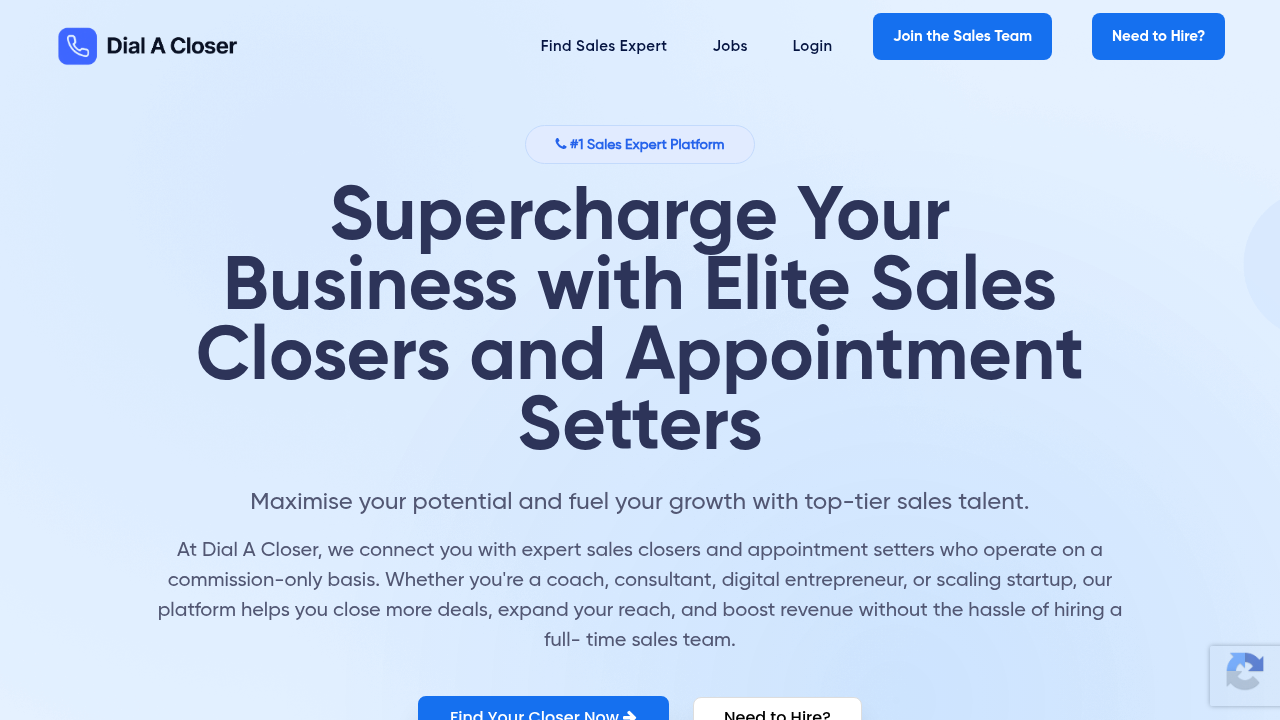
- Dial a Closer: This platform is often seen as a leading spot for high-ticket sales jobs, especially remote ones [7].
- Upwork: For those looking for freelance or contract high-ticket closing jobs, Upwork lists many options [10].
- ZipRecruiter: You can find many remote high-ticket sales jobs here too [13].
These specialized sites are great because they gather jobs that fit exactly what you’re looking for, making your search much easier. You can also find helpful tips and places to look, like this YouTube video on finding high-ticket sales roles [9].
Connecting with Recruiters and People You Know
Sometimes, the best jobs aren’t advertised widely. This is where professional recruiters come in. These people work to match skilled sales professionals with companies looking for them. They often have access to jobs that aren’t posted on public sites.
Networking is another powerful tool. This means talking to people who are already in high-ticket sales or similar fields.

You can:
- Join online groups: Look for sales groups on LinkedIn or other professional sites.
- Attend online events: Even virtual meetings can help you meet new people.
- Ask for referrals: Sometimes, someone you know can tell you about a job opening or introduce you to a hiring manager. These hidden opportunities can be some of the most rewarding.
Matching the Platform to the Job
The kind of high-ticket sales job you want helps you pick where to look:
- Remote Enterprise Roles: If you want to sell expensive items from your home for a big company, focus on specialized remote job boards and professional networking sites. These platforms usually list positions like "High-Ticket Closer" or "Remote Sales Executive" [11, 12].
- In-Person Regional Closers: If you prefer working face-to-face in your area, general job boards filtered by location, company career pages, and local business networks are better bets. You might search for roles like "Business Development Manager" or "Regional Sales Director."
No matter what, being clear about the type of role you want will guide your search and help you find the best opportunities. Knowing what high-ticket sales actually involves can also make your search more effective. To learn more about what these roles are all about, read our guide on what are high-ticket sales.
To truly succeed in high-ticket sales, just knowing where to look isn’t enough. You also need to have the right skills and know how to get them. This means learning how to talk to people, handle tough questions, and close big deals.
Skills, Training, and Credible Courses: How to Close High-Value Deals
High-ticket sales isn’t just about being a good talker. It’s about being a great listener and a smart problem-solver. Here’s what you need to focus on:
Key Sales Skills You Need
- Consultative Selling: This means you don’t just push a product. Instead, you listen carefully to what a customer needs and help them find the best solution. You become a trusted advisor, not just a salesperson.
- Handling Objections: Customers will always have questions or concerns. Being good at high-ticket sales means you know how to answer these doubts kindly and effectively, turning a "maybe" into a "yes."
- Discovery Frameworks: This is about asking smart questions to truly understand a customer’s problems and goals. When you know what they really want, it’s easier to show how your high-value product or service can help.
- Negotiation: For big deals, you need to know how to talk about prices and terms so that everyone feels good about the agreement.
These skills help you build trust. Trust is very important when someone is about to spend a lot of money.
Finding Good Training and Certifications
You might be wondering how to find my ticket to learning these skills. Many people look for training programs or courses. When you are doing your ticket look up for courses, it’s important to pick the right ones.
Here’s how to check if a training program is good:
- Look at who teaches it: Are the instructors actual high-ticket closers who have made a lot of sales themselves?
- Check for real stories: Do past students share how the training helped them get good jobs or make more money?
- See if it’s practical: Does the course offer real-world practice, like role-playing sales calls? You want to learn by doing, not just by listening.
- Be careful of big promises: If a course promises you’ll be rich overnight with no effort, it’s probably not real. Good training takes work.
Investing in the right training can be a big step towards reaching your earning goals in 2026.
Ways to Start Your High-Ticket Sales Journey
If you’re new to sales or want to switch careers, don’t worry. There are ways to get into high-ticket sales:
- Apprenticeships: Some companies let you learn on the job from experienced sellers. You work closely with them and learn the ropes.
- Mentorships: Finding someone successful in high-ticket sales who can guide you is very helpful. They can share their wisdom and open doors for you.
- Skill-First Hiring: More and more companies care about your actual skills and potential, not just your past job titles. If you can show you have the right mindset and are willing to learn, you can still find great opportunities.
Learning the ropes for these kinds of roles can seem like a big journey. To learn more about how beginners can get started, check out our guide on how to break into high-ticket sales.
To truly succeed in high-ticket sales, knowing where to look isn’t enough. You also need to understand how you’ll get paid. This is super important because high-ticket sales jobs often have different ways of paying you compared to regular jobs. In 2026, understanding these payment plans can help you find your ticket to a great career.
Understanding Compensation: Commissions, Draws, and What to Expect in High-Ticket Roles
In high-ticket sales, your pay isn’t just a fixed salary. A big part of your income comes from commissions. Let’s look at the common ways you might get paid.
Common Ways You Get Paid
- Straight Commission: With this plan, you only get money when you make a sale. There’s no set weekly or monthly salary. If you sell a lot, you can earn a lot, but if sales are slow, your pay will be too. This can feel risky, but the rewards for big deals are usually very high.
- Base Salary + Commission: Many high-ticket sales jobs mix a steady paycheck (called a base salary) with commissions. So, you get a regular amount of money, plus extra for every sale you close. This offers more security and is a popular choice for sales teams in 2026, balancing steady income with sales motivation. You might see companies using plans that balance base pay with variable pay, often aiming for a quota-to-OTE (On-Target Earnings) ratio of 3:1 to 5:1
1. - Draw or Guarantee: Sometimes, especially when you’re new, a company might offer a "draw." This is like an advance payment on your future commissions. You get a set amount for a little while to help you get started. Once you begin making sales, the money from your draw is paid back through your commissions. It’s a helpful safety net during your first few months.
- Performance Tiers (Tiered Commission): This is a fun one! It means the more you sell, the higher your commission rate can become. For example, you might earn 5% on your first $100,000 in sales, but then 7% on everything you sell over that amount 2. This kind of plan really pushes you to sell more and more. Tiered commission plans are often used in 2026 to maximize sales performance 3.
How to Evaluate a Compensation Offer
When you get a job offer, it’s like doing a "ticket look up" to understand what you’ll truly earn. Don’t just look at the highest number. Here’s what to think about:
- Realistic Earnings: Companies often talk about "On-Target Earnings" (OTE). This is what you’re expected to make if you hit all your sales goals. Do the math. Is this realistic for someone in your shoes?
- Ramp Period: This is how long it usually takes a new salesperson to start making regular sales and hit their full stride. It can take a few months. Make sure you have enough savings to get through this initial period.
Beyond Just Money: Other Things to Negotiate
Your pay isn’t the only thing you can talk about. Other things can make a job offer much better:
- Leads: Will the company give you potential customers to call, or will you have to find them all yourself? Good leads can make your job much easier.
- Territory: Will you have a specific area or group of customers that are just yours? This means less fighting with other salespeople for deals.
- Quotas: Are the sales goals (quotas) fair and reachable? If they’re too high, it might be very hard to earn your full commission.
- Support: What kind of help will you get? Think about training, tools, or help from other teams. Strong support helps you close more deals.
Understanding these details helps you choose the best high-ticket sales role for your goals. If you’re looking to scale your earnings, learning about different sales strategies can be very helpful. Dive deeper into strategies by reading our guide on channel sales strategy: your 2026 guide to scaling high-ticket income.
Remote High-Ticket Sales Roles: How to Find and Vet Fully Remote Opportunities
Many people dream of working from home, and for good reason! Remote high-ticket sales jobs let you earn big money from anywhere. But finding the right remote role is a bit different than looking for an office job. You need to know how to "find my ticket" to a great remote opportunity. Let’s explore what makes remote high-ticket sales special and how to make sure a company is a good fit.
What’s Different About Remote Sales?
When you work from home, some things change compared to being in an office:
- How You Talk to People: You’ll use video calls, emails, and chat messages much more. Being clear in your writing and comfortable on camera is key. Companies will look for people who can connect with clients even without shaking hands.
- Using Sales Tools: You’ll spend a lot of time in a special computer program called a CRM (Customer Relationship Management) system. This is where you keep track of all your potential customers, notes, and sales progress. It’s like your digital office, and companies need good ones to support remote teams.
- Less Travel, But Sometimes Still Some: Most remote high-ticket roles mean less travel. You might not fly to meet clients every week. However, some jobs still ask for occasional travel for big meetings or company events. Always ask about this. You can find many remote sales jobs, including those for infrastructure sales, across different cities and states, even if you are not based there 1, 2, 3.
Checking Out a Remote-First Company
When you’re doing a "ticket look up" for a remote sales job, it’s smart to check how well the company supports its remote team.
- Their Tools and Tech: Do they use good computer programs and systems that make remote work easy? Ask what kind of laptop, software, and communication tools they provide.
- Support for Remote Workers: Does the company have a clear plan for helping remote salespeople? This includes good training and managers who know how to lead a team from afar. Learn how to prepare for high-ticket sales interviews to impress them 4.
- Company Culture: Even remotely, you want to feel like part of a team. Ask how they keep remote workers connected and how they celebrate successes.
Important Rules and Money Stuff for Remote Workers
Working remotely in different places means you need to think about legal and tax rules. These can change based on where you live and where the company is located. When you’re talking to a potential employer, make sure to ask:
- Taxes: How will my earnings be taxed in my country or state? For example, rules in the US can differ greatly by state, and they are different again in the UK, Canada, Australia, and New Zealand.
- Employment Laws: What are the rules about my work hours, sick leave, and holidays in my location? Will I be considered an employee or an independent contractor?
- Equipment: Will the company pay for my internet, phone, or any office supplies I need for my home setup?
Understanding these details helps you pick the right remote role and make sure you’re set up for success. Finding a remote high-ticket sales job can truly change your career for the better, offering flexibility and great income potential. If you want to learn more about starting this exciting journey, check out our guide on how to break into high-ticket sales: the 2026 guide for beginners.
Application, Interview, and Onboarding Strategy: Landing the Offer and Preparing to Close
Okay, so you’ve done your "ticket look up" and found some great remote high-ticket sales jobs. Now it’s time to apply, get hired, and start making those big sales! This part is all about showing companies you’re the right person for the job.
Making Your Application Stand Out
When you apply, you want to show companies you can truly close high-value deals. Don’t just list what you did. Tell stories about your successes.
- Share Your Numbers: Did you help clients save a lot of money? Did you grow sales for your last company by a big percentage? These numbers make your experience real and impressive.
- Tell Success Stories: Think of times you helped a customer solve a big problem. Explain the problem, what you did, and the great result. This shows you understand client needs and can deliver.
- Show You Understand High-Ticket Sales: High-ticket sales aren’t just about selling. They often involve long talks, understanding big business problems, and finding custom solutions. Show that you know this difference.
Your application is your first chance to make a good impression and help them "find my ticket" to seeing your skills.
Getting Ready for Interviews
Interviews for high-ticket sales roles are super important. They’re not just about talking; they’re about showing you can sell.

You might face questions like, "Tell me about a time you handled a difficult client," or "How do you bounce back after a ‘no’?"
- Practice Your Pitches: You might be asked to sell something on the spot. This is called a role-play. Practice explaining a product or service, listening to objections, and helping the "customer" see the value. Many sales professionals use special ways of thinking, called frameworks, to guide their questions and help close deals effectively [1, 2].
- Prepare for Tough Questions: Hiring managers want to see if you have what it takes to close big deals. They will look for your confidence, how well you listen, how you solve problems, and if you can really finish a sale. Being ready to talk about how you overcome challenges is key [3]. You can find helpful tips for getting ready for these kinds of interviews online [4].
- Understand the "Why": Companies might ask you to solve a business problem as part of the interview, like a "case interview." This shows them how you think and solve real-world sales challenges [5].
What to Expect When You Start
Once you get an offer, it’s exciting! But before you jump in, make sure you understand what happens next, especially during your first few months. This is called onboarding.
- Training and Support: Ask about the training you’ll get. Will there be someone to help guide you? How will the company help you learn their products and sales process?
- Making Your First Sales: Find out how long they expect it to take for you to start making sales. This is often called the "ramp period." It’s okay to ask for clear goals and check-ins during this time.
- Checking Your Progress: How often will your manager talk with you about your sales performance? Knowing this helps you understand if you’re on the right track and what support you can get.
By being prepared for applications, interviews, and onboarding, you set yourself up for great success in a high-ticket sales career. If you’re looking to dive deeper into how to excel in high-ticket sales, exploring different sales approaches can be very beneficial, for example, learning more about a strong channel sales strategy.
Summary
This article explains how to